
Atlas HO 20006574 - Master - 50' Postwar Double Door Boxcar "Chesapeake & Ohio" #28138
| Announced Date: | Unknown |
| Released Date: | Jan 2025 |
| Individually Boxed: | N/A |
- Road Name: Chesapeake & Ohio
- Road Number: 28138
- Product Line: Master
- Scale: HO Scale
Features:
• All new tooling
• Etched metal grilles
• Many road-specific details including several cab, headlight, and nose light variations to accurately match the prototype
• Newly tooled Adirondack truck side frames
• Separately applied details parts
• New! Factory equipped with metal knuckle couplers.
• DC and Sound versions available
Overview:
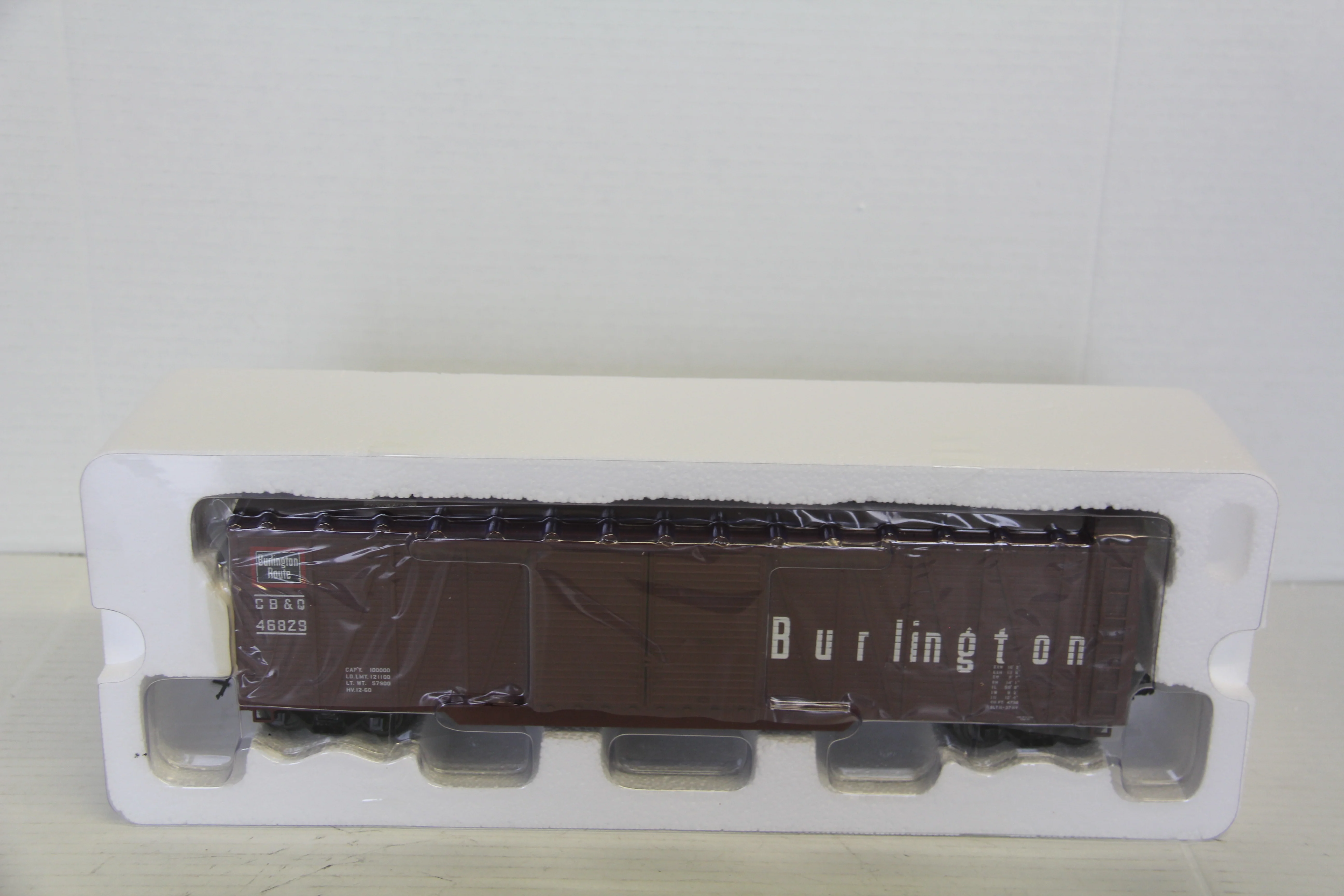
Before the advent of specialty car types (such as covered hoppers and auto racks), nearly every type of product was shipped in a box car. 50’ Box Cars gained popularity in the late 1930s as they offered additional space for bulkier freight vs. the then-common 40’ car. Single-door versions would become most common, although many double-door cars would be constructed to assist with the handling of bulkier freight such as automobiles, furniture, and lumber. In fact, many railroads classified double-door box cars as “automobile cars” or “furniture cars” in deference to their specialized service. Double-door box cars typically had reinforced flooring to handle the weight of heavier loads and the equipment used during the loading and unloading process.
More Images
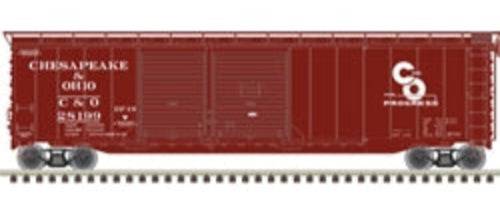
Atlas HO 20006574 - Master - 50' Postwar Double Door Boxcar "Chesapeake & Ohio" #28138
| Announced Date: | Unknown |
| Released Date: | Jan 2025 |
| Individually Boxed: | N/A |
- Road Name: Chesapeake & Ohio
- Road Number: 28138
- Product Line: Master
- Scale: HO Scale
Features:
• All new tooling
• Etched metal grilles
• Many road-specific details including several cab, headlight, and nose light variations to accurately match the prototype
• Newly tooled Adirondack truck side frames
• Separately applied details parts
• New! Factory equipped with metal knuckle couplers.
• DC and Sound versions available
Overview:
Before the advent of specialty car types (such as covered hoppers and auto racks), nearly every type of product was shipped in a box car. 50’ Box Cars gained popularity in the late 1930s as they offered additional space for bulkier freight vs. the then-common 40’ car. Single-door versions would become most common, although many double-door cars would be constructed to assist with the handling of bulkier freight such as automobiles, furniture, and lumber. In fact, many railroads classified double-door box cars as “automobile cars” or “furniture cars” in deference to their specialized service. Double-door box cars typically had reinforced flooring to handle the weight of heavier loads and the equipment used during the loading and unloading process.
Product Information
Product Information
Shipping & Returns
Shipping & Returns
Description
| Announced Date: | Unknown |
| Released Date: | Jan 2025 |
| Individually Boxed: | N/A |
- Road Name: Chesapeake & Ohio
- Road Number: 28138
- Product Line: Master
- Scale: HO Scale
Features:
• All new tooling
• Etched metal grilles
• Many road-specific details including several cab, headlight, and nose light variations to accurately match the prototype
• Newly tooled Adirondack truck side frames
• Separately applied details parts
• New! Factory equipped with metal knuckle couplers.
• DC and Sound versions available
Overview:
Before the advent of specialty car types (such as covered hoppers and auto racks), nearly every type of product was shipped in a box car. 50’ Box Cars gained popularity in the late 1930s as they offered additional space for bulkier freight vs. the then-common 40’ car. Single-door versions would become most common, although many double-door cars would be constructed to assist with the handling of bulkier freight such as automobiles, furniture, and lumber. In fact, many railroads classified double-door box cars as “automobile cars” or “furniture cars” in deference to their specialized service. Double-door box cars typically had reinforced flooring to handle the weight of heavier loads and the equipment used during the loading and unloading process.