
Atlas O 2001331 - Trainman - 60' Baggage Passenger Car "Western Maryland"
| Announced Date: | April 2024 |
| Released Date: | Est. 4th Quarter 2024 |
| Individually Boxed: | N/A |
- Road Name: Western Maryland
- Road Number: 135, 136
- Product Line: Trainman
- Scale: O Scale
- System: 3-Rail
Features:
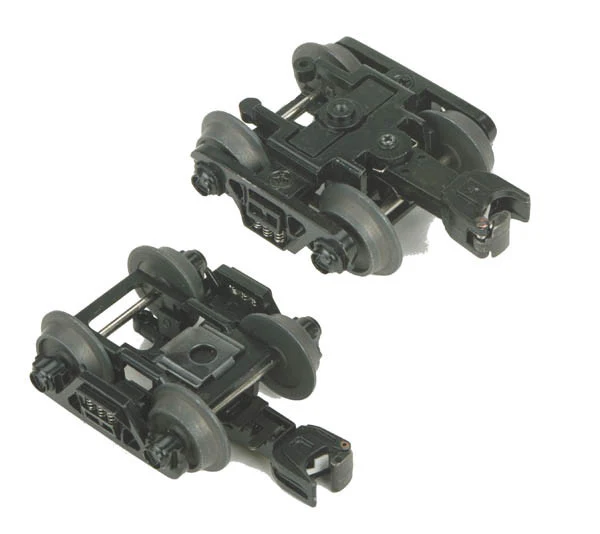
- Die-cast sprung trucks
- Full scale dimensions and details
- Separately-applied grab irons
- Interior LED lighting
- Separately-applied diaphragms
- Interior details
- Based upon C&NW protoypes
- Minimum diameter curve: O-36 (3-Rail)
Overview:
In the early 20th century, the rapid adoption of all-steel construction for passenger cars dramatically improved the safety and comfort of rail travel. These “heavyweight” cars, as they came to be known, were far less likely to catch fire than their mostly wooden counterparts, could withstand greater structural stresses in general operation, and as a result quickly became the premier choice of the traveling public. In the years immediately preceding World War II, however, due to the development of longer, aluminum sheathed “modern” streamliners, many original steel heavyweight cars were either rebuilt and restyled to run with the new sleek name trains, or became relegated to branchline and commuter service, where they continued to serve for many decades. Many examples still survive today in operating tourist railroads and in railroad maintenance of way departments.
Original: $113.80
-70%$113.80
$34.14More Images

Atlas O 2001331 - Trainman - 60' Baggage Passenger Car "Western Maryland"
| Announced Date: | April 2024 |
| Released Date: | Est. 4th Quarter 2024 |
| Individually Boxed: | N/A |
- Road Name: Western Maryland
- Road Number: 135, 136
- Product Line: Trainman
- Scale: O Scale
- System: 3-Rail
Features:
- Die-cast sprung trucks
- Full scale dimensions and details
- Separately-applied grab irons
- Interior LED lighting
- Separately-applied diaphragms
- Interior details
- Based upon C&NW protoypes
- Minimum diameter curve: O-36 (3-Rail)
Overview:
In the early 20th century, the rapid adoption of all-steel construction for passenger cars dramatically improved the safety and comfort of rail travel. These “heavyweight” cars, as they came to be known, were far less likely to catch fire than their mostly wooden counterparts, could withstand greater structural stresses in general operation, and as a result quickly became the premier choice of the traveling public. In the years immediately preceding World War II, however, due to the development of longer, aluminum sheathed “modern” streamliners, many original steel heavyweight cars were either rebuilt and restyled to run with the new sleek name trains, or became relegated to branchline and commuter service, where they continued to serve for many decades. Many examples still survive today in operating tourist railroads and in railroad maintenance of way departments.
Product Information
Product Information
Shipping & Returns
Shipping & Returns
Description
| Announced Date: | April 2024 |
| Released Date: | Est. 4th Quarter 2024 |
| Individually Boxed: | N/A |
- Road Name: Western Maryland
- Road Number: 135, 136
- Product Line: Trainman
- Scale: O Scale
- System: 3-Rail
Features:
- Die-cast sprung trucks
- Full scale dimensions and details
- Separately-applied grab irons
- Interior LED lighting
- Separately-applied diaphragms
- Interior details
- Based upon C&NW protoypes
- Minimum diameter curve: O-36 (3-Rail)
Overview:
In the early 20th century, the rapid adoption of all-steel construction for passenger cars dramatically improved the safety and comfort of rail travel. These “heavyweight” cars, as they came to be known, were far less likely to catch fire than their mostly wooden counterparts, could withstand greater structural stresses in general operation, and as a result quickly became the premier choice of the traveling public. In the years immediately preceding World War II, however, due to the development of longer, aluminum sheathed “modern” streamliners, many original steel heavyweight cars were either rebuilt and restyled to run with the new sleek name trains, or became relegated to branchline and commuter service, where they continued to serve for many decades. Many examples still survive today in operating tourist railroads and in railroad maintenance of way departments.