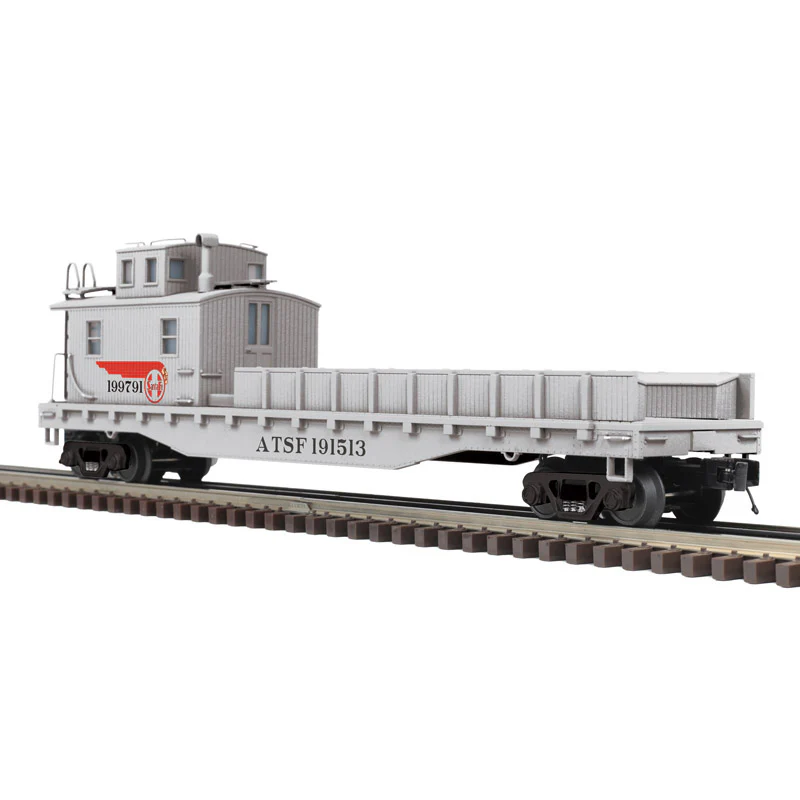
Atlas O 3002247 - Premier - Crane Tender "Santa Fe" (2-Rail)
| Announced Date: | Nov 2021 |
| Released Date: | May 2023 |
| Individually Boxed: | No - 2 to a case |
- Road Name: Santa Fe
- Road Number: 191513
- System: 2-Rail
- Product Line: Atlas O Premier
- Scale: O Scale
Features:
- Intricately Detailed Durable ABS Body
- Metal Wheels and Axles
- Operating Interior Lighting
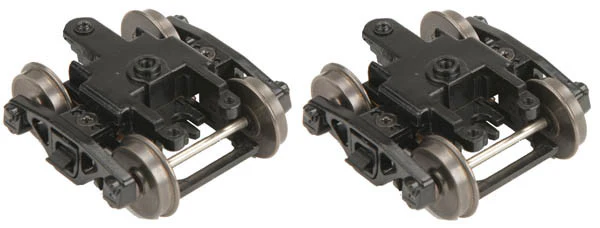
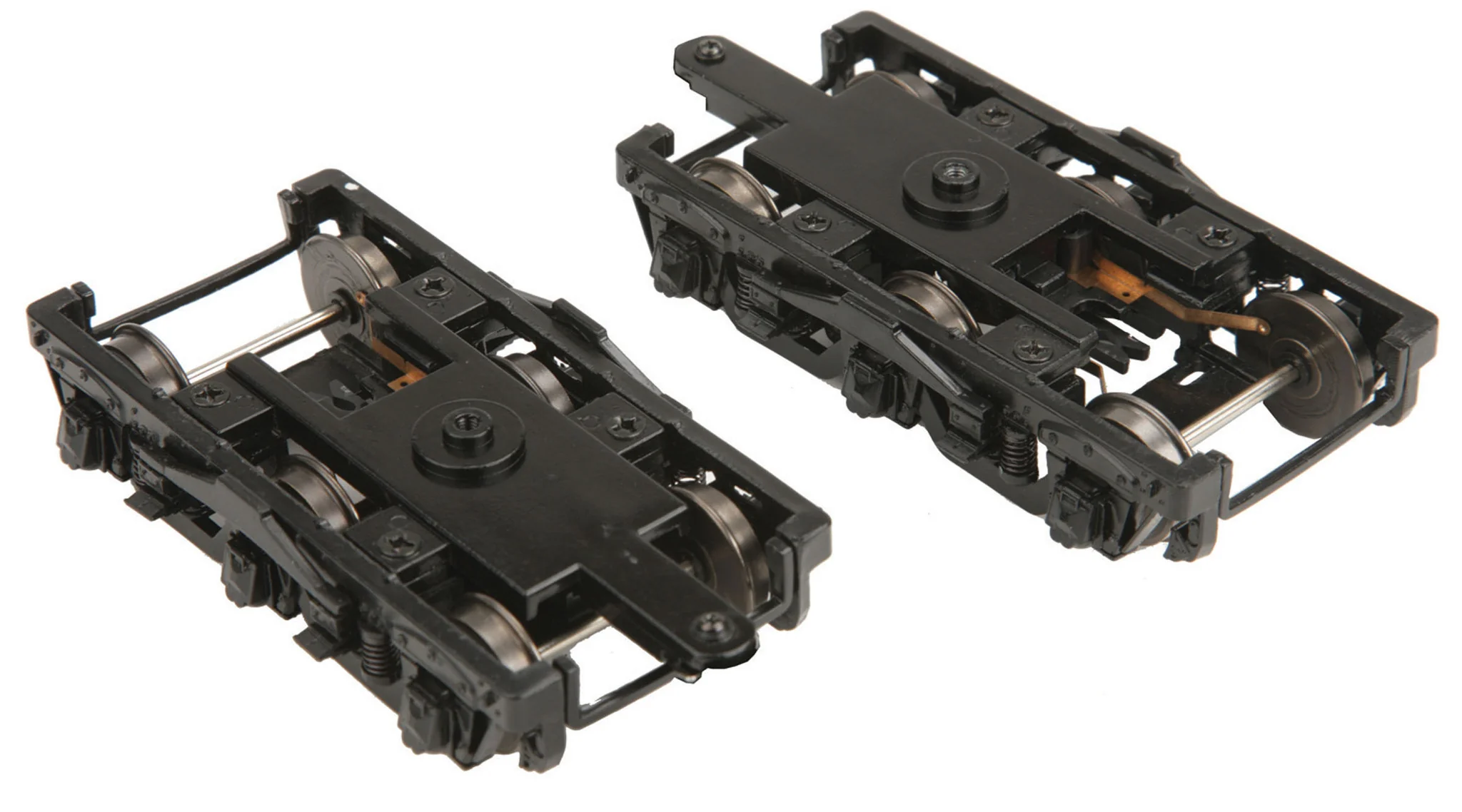
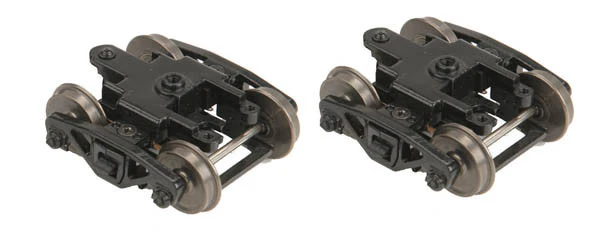
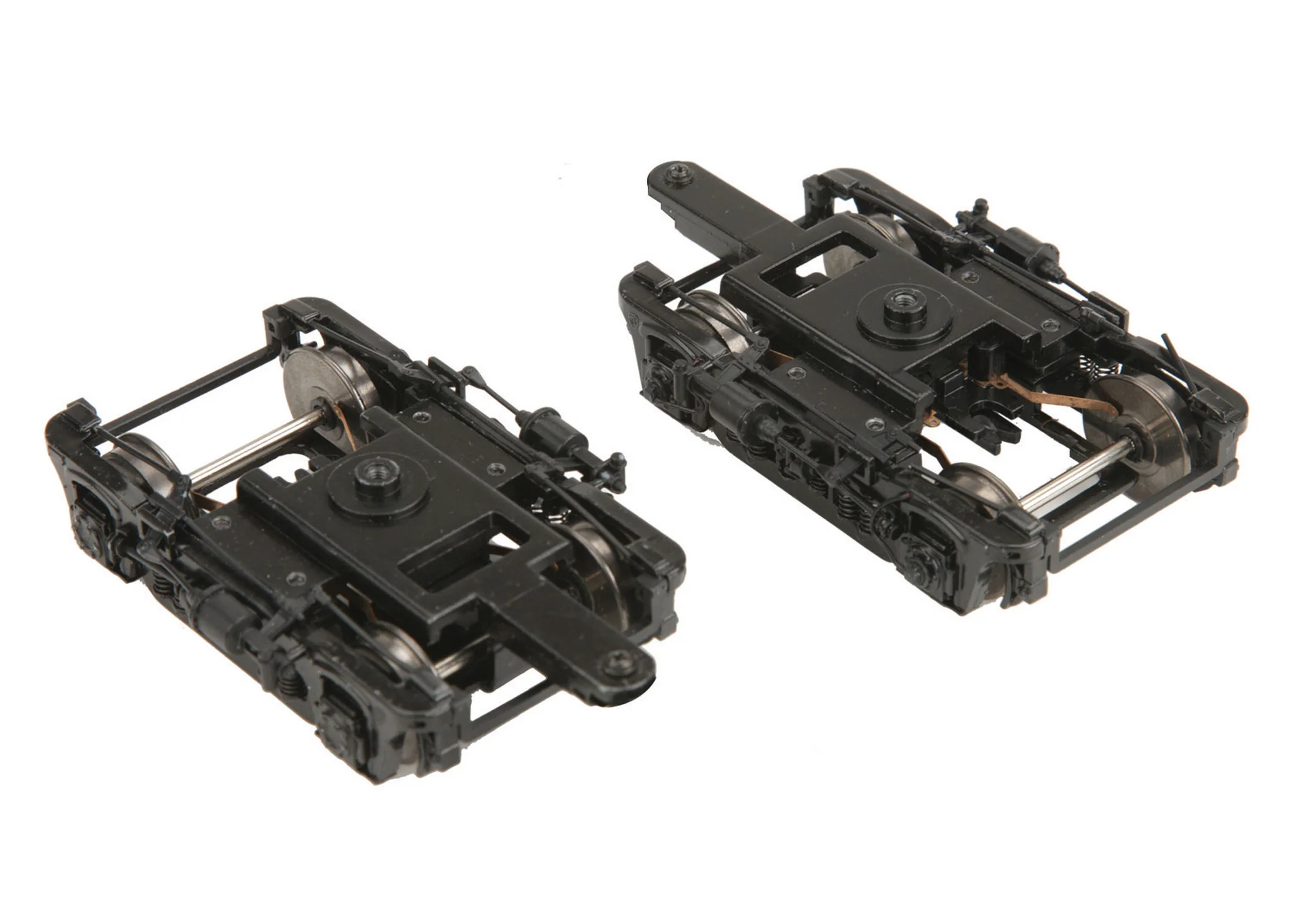
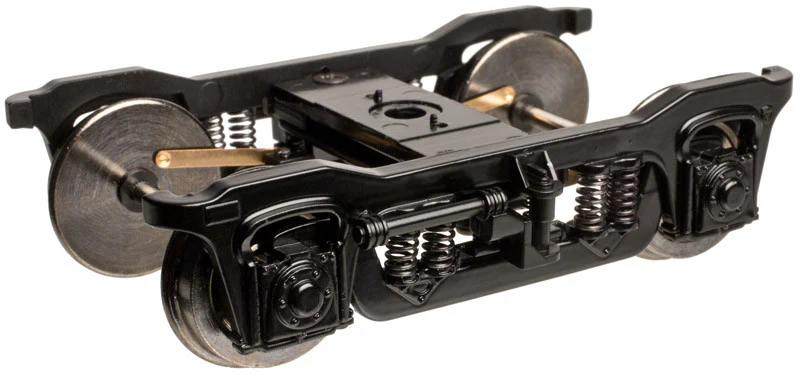
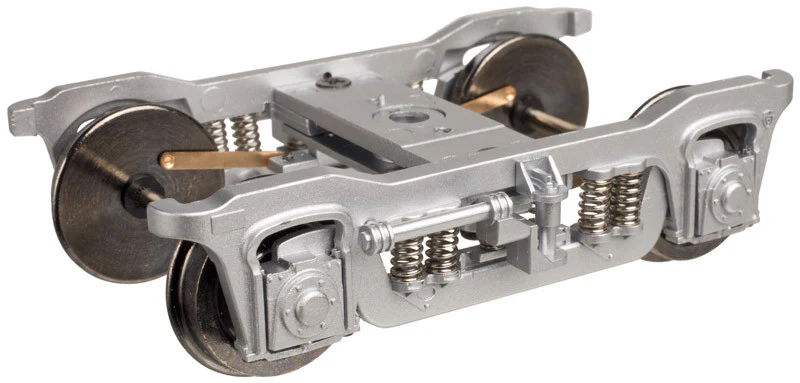
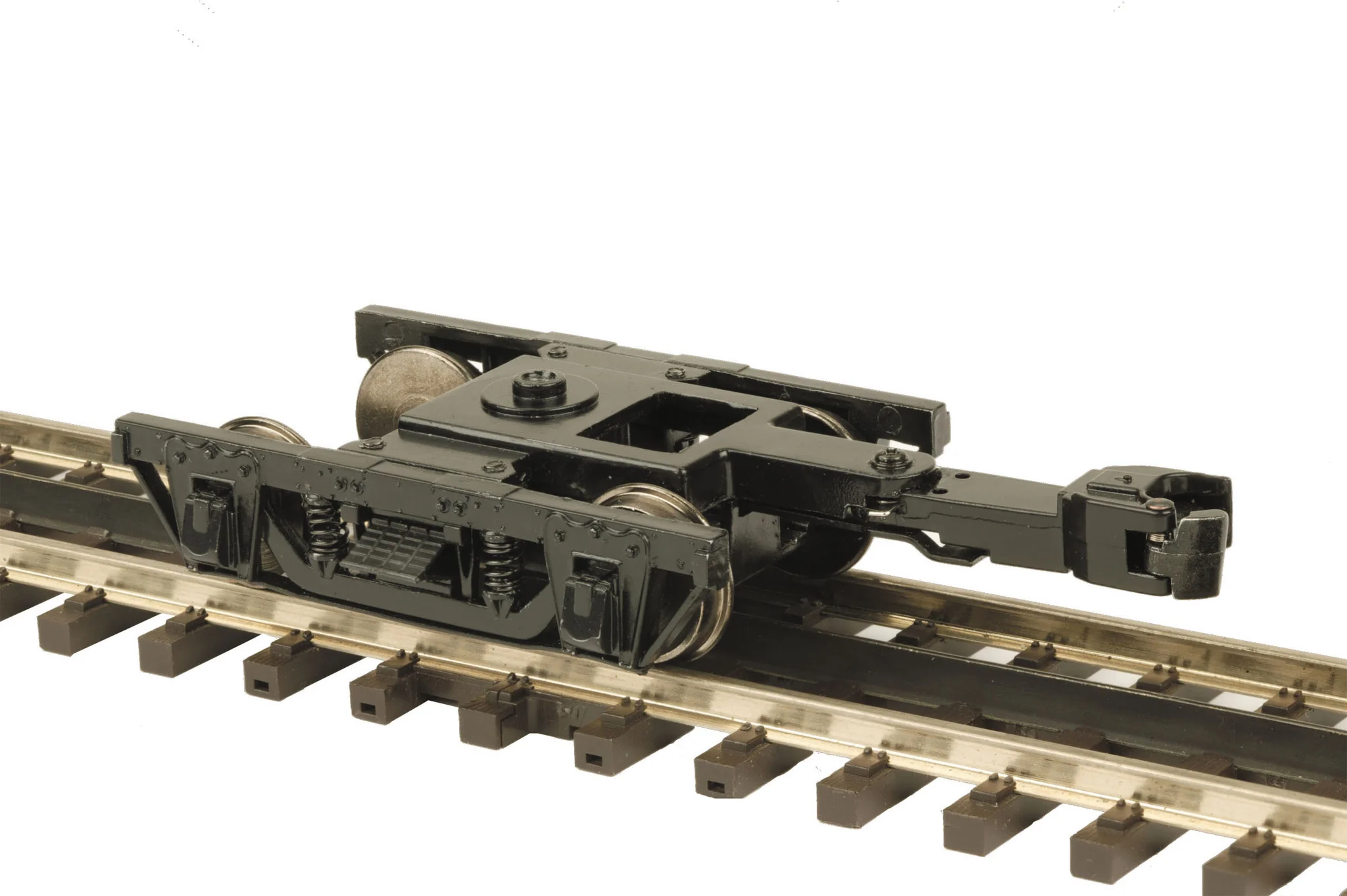
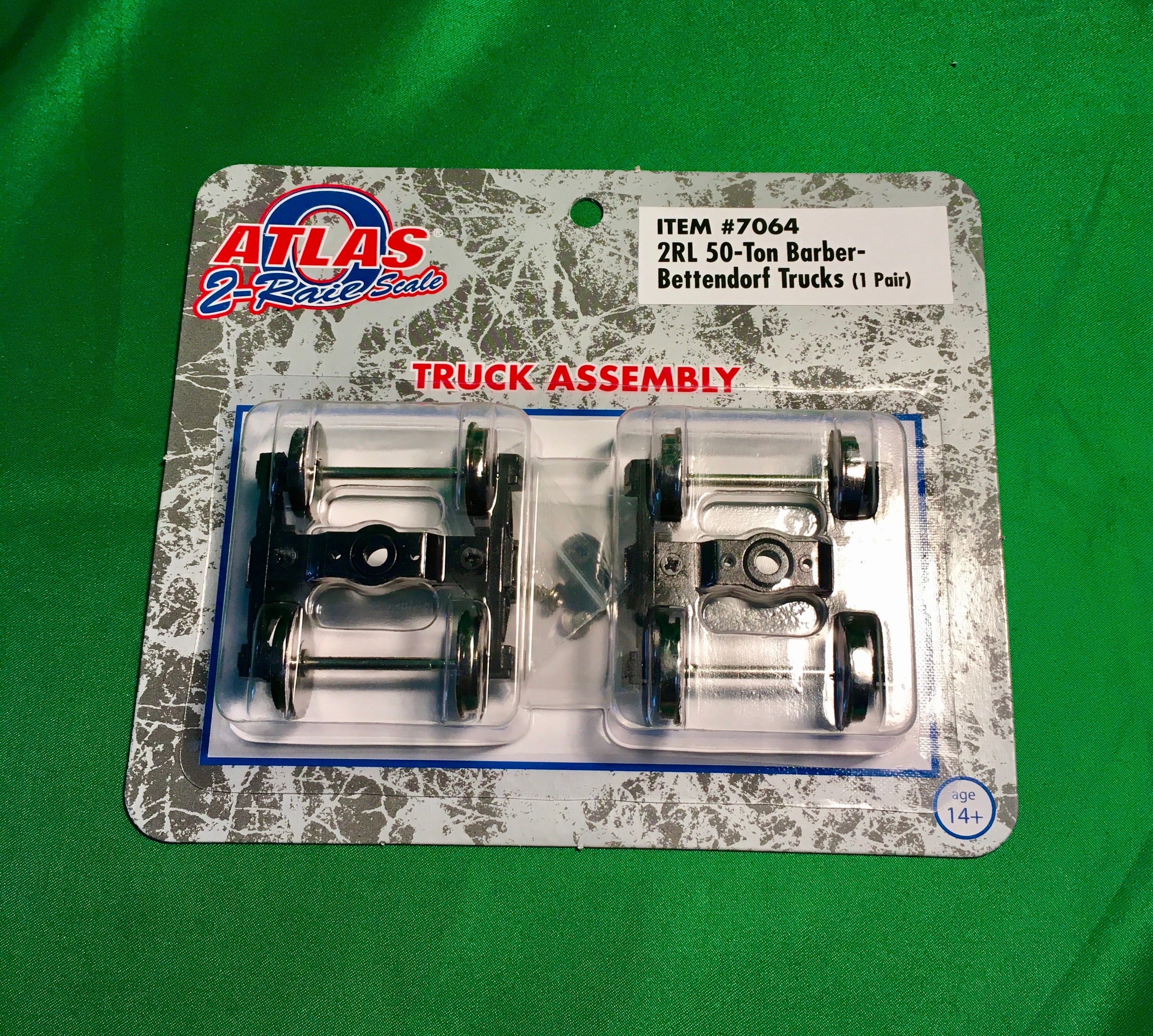
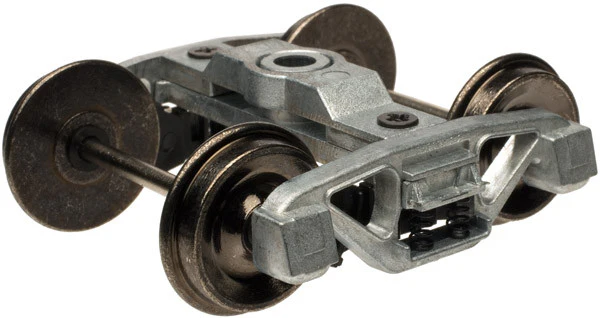
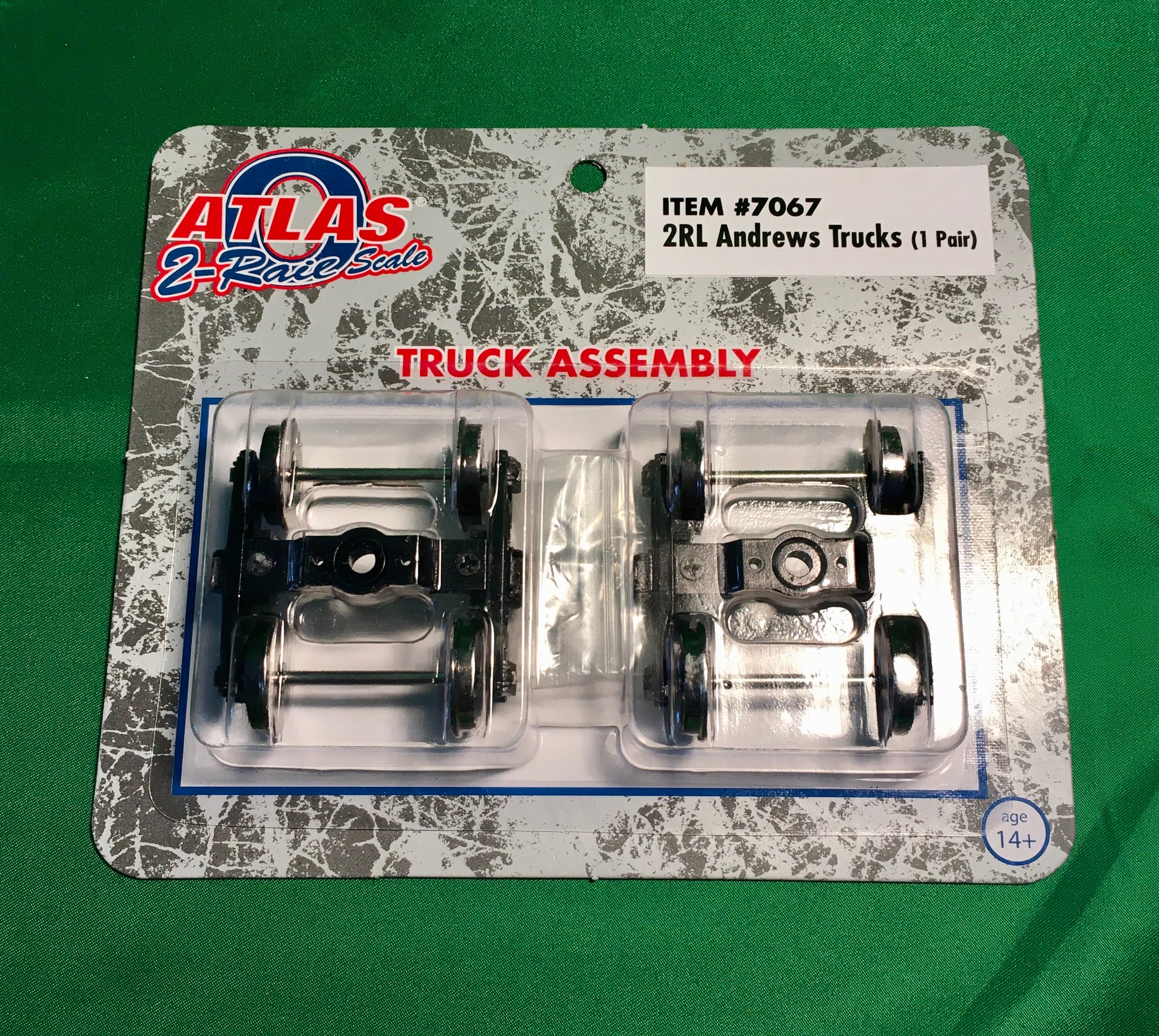
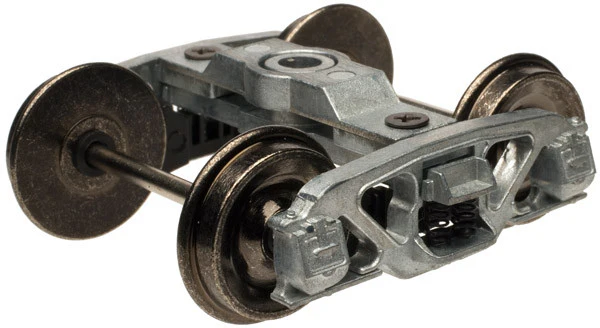
- Die-Cast 4-Wheel Trucks
- Colorful, Attractive Paint Schemes
- Operating Die-Cast Metal Couplers
- Fast-Angle Wheel Sets
- Needle-Point Axles
- 1:48 Scale Dimensions
- Separate Metal Handrails
- O Scale Kadee Compatible Coupler Mounting Pads
- Unit Measures:14 1/2” x 2 5/8” x 3 15/16”
Overview:
The crane tender had two jobs: to protect the crane’s boom and enable it to be coupled with other cars on the way to a wreck site, and to carry the tools, chains, slings and other gear needed to clear a wreck. Unlike the crane itself, which was a precision piece of gear made by a specialized company, the crane tender was usually a home-built affair, cobbled together from whatever a railroad’s shop crew had lying around. Our model represents a typical such car, built from what appears to be an older flatcar and an obsolete bobber caboose, functioning as an equipment shed.
The rest of a typical wreck train usually had the same hand-me-down look. Passenger and freight cars no longer fit for revenue service were recycled into crew, equipment, and tool cars for wreck and maintenance of way service.
Original: $76.46
-70%$76.46
$22.94Atlas O 3002247 - Premier - Crane Tender "Santa Fe" (2-Rail)
| Announced Date: | Nov 2021 |
| Released Date: | May 2023 |
| Individually Boxed: | No - 2 to a case |
- Road Name: Santa Fe
- Road Number: 191513
- System: 2-Rail
- Product Line: Atlas O Premier
- Scale: O Scale
Features:
- Intricately Detailed Durable ABS Body
- Metal Wheels and Axles
- Operating Interior Lighting
- Die-Cast 4-Wheel Trucks
- Colorful, Attractive Paint Schemes
- Operating Die-Cast Metal Couplers
- Fast-Angle Wheel Sets
- Needle-Point Axles
- 1:48 Scale Dimensions
- Separate Metal Handrails
- O Scale Kadee Compatible Coupler Mounting Pads
- Unit Measures:14 1/2” x 2 5/8” x 3 15/16”
Overview:
The crane tender had two jobs: to protect the crane’s boom and enable it to be coupled with other cars on the way to a wreck site, and to carry the tools, chains, slings and other gear needed to clear a wreck. Unlike the crane itself, which was a precision piece of gear made by a specialized company, the crane tender was usually a home-built affair, cobbled together from whatever a railroad’s shop crew had lying around. Our model represents a typical such car, built from what appears to be an older flatcar and an obsolete bobber caboose, functioning as an equipment shed.
The rest of a typical wreck train usually had the same hand-me-down look. Passenger and freight cars no longer fit for revenue service were recycled into crew, equipment, and tool cars for wreck and maintenance of way service.
Product Information
Product Information
Shipping & Returns
Shipping & Returns
Description
| Announced Date: | Nov 2021 |
| Released Date: | May 2023 |
| Individually Boxed: | No - 2 to a case |
- Road Name: Santa Fe
- Road Number: 191513
- System: 2-Rail
- Product Line: Atlas O Premier
- Scale: O Scale
Features:
- Intricately Detailed Durable ABS Body
- Metal Wheels and Axles
- Operating Interior Lighting
- Die-Cast 4-Wheel Trucks
- Colorful, Attractive Paint Schemes
- Operating Die-Cast Metal Couplers
- Fast-Angle Wheel Sets
- Needle-Point Axles
- 1:48 Scale Dimensions
- Separate Metal Handrails
- O Scale Kadee Compatible Coupler Mounting Pads
- Unit Measures:14 1/2” x 2 5/8” x 3 15/16”
Overview:
The crane tender had two jobs: to protect the crane’s boom and enable it to be coupled with other cars on the way to a wreck site, and to carry the tools, chains, slings and other gear needed to clear a wreck. Unlike the crane itself, which was a precision piece of gear made by a specialized company, the crane tender was usually a home-built affair, cobbled together from whatever a railroad’s shop crew had lying around. Our model represents a typical such car, built from what appears to be an older flatcar and an obsolete bobber caboose, functioning as an equipment shed.
The rest of a typical wreck train usually had the same hand-me-down look. Passenger and freight cars no longer fit for revenue service were recycled into crew, equipment, and tool cars for wreck and maintenance of way service.